
Bingham County's Owner-of-Record Card
Think of the public parcel service as the working owner-of-record card. It gives exact fields worth saving together before any deed confirmation.
| Owner, Owner1, Owner2 | Names returned for the parcel |
|---|---|
| Mail_Add fields | Destination used for owner mail |
| Prop_Add fields | Property situs |
| RP_Num | Parcel record key |
| Instr_Num | Lead to a recorded instrument |
| Prop_Year, Appr_Year, Tax_Year | Context for the row's dated fields |
The card shows who the roll names, not who lives there. Treat the mailing address only as a public contact route for a legitimate property matter. Inspect the county's sample parcel row pictured below.
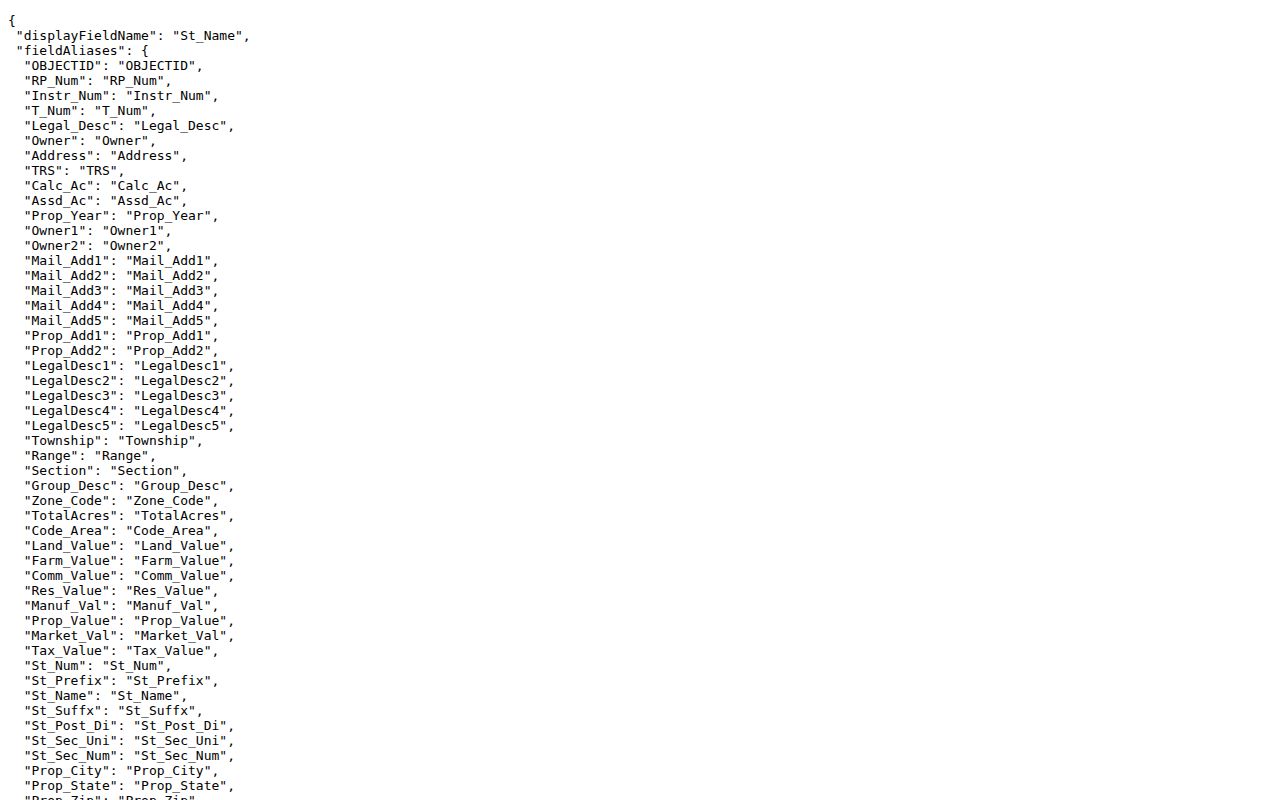
The sample shows a remote mailing address and a local situs inside one record.
Confirm Bingham County's Current Owner
Confirmation means comparing the live parcel row with the Recorder's latest transfer. Bingham County publishes no public grantor-grantee index, so the final step is an office visit or written request.
- Query the situs or owner in Bingham County Parcel Mapping and note the date.
- Save all owner fields, RP number, instrument number, and legal description.
- Ask the Recorder for the newest deed or title-changing instrument.
- Compare its grantee and recording timestamp with the map-linked roll.
- Owner of record
- The party named by the current public ownership record.
- Assessment roll
- The assessor-maintained record used for property administration.
- Situs
- The property's physical location.
- Recording lag
- The interval in which sources may not yet agree after a transfer.
How Current Is the Bingham County Owner Record?
The county announces no refresh schedule for its assessor data. No typical lag is documented. Never claim the roll updates within a fixed number of days. Instead, record the query date and weigh it against the latest recorded instrument. One firm checkpoint does exist. The Recorder records documents arriving after 4:30 p.m. on the next business day. That rule explains intake timing, not when GIS fields refresh.
Recent-sale gap. The newest recorded deed can be more current than an unrefreshed owner row; confirm at the Recorder when a transfer is recent.
Read Bingham County Owner Fields
The parcel schema holds three owner fields. Keep their order and exact spelling in any notes. A blank Owner2 only reflects the returned result. Other legal interests may still exist. The official Bingham County parcel schema defines each field and its type.
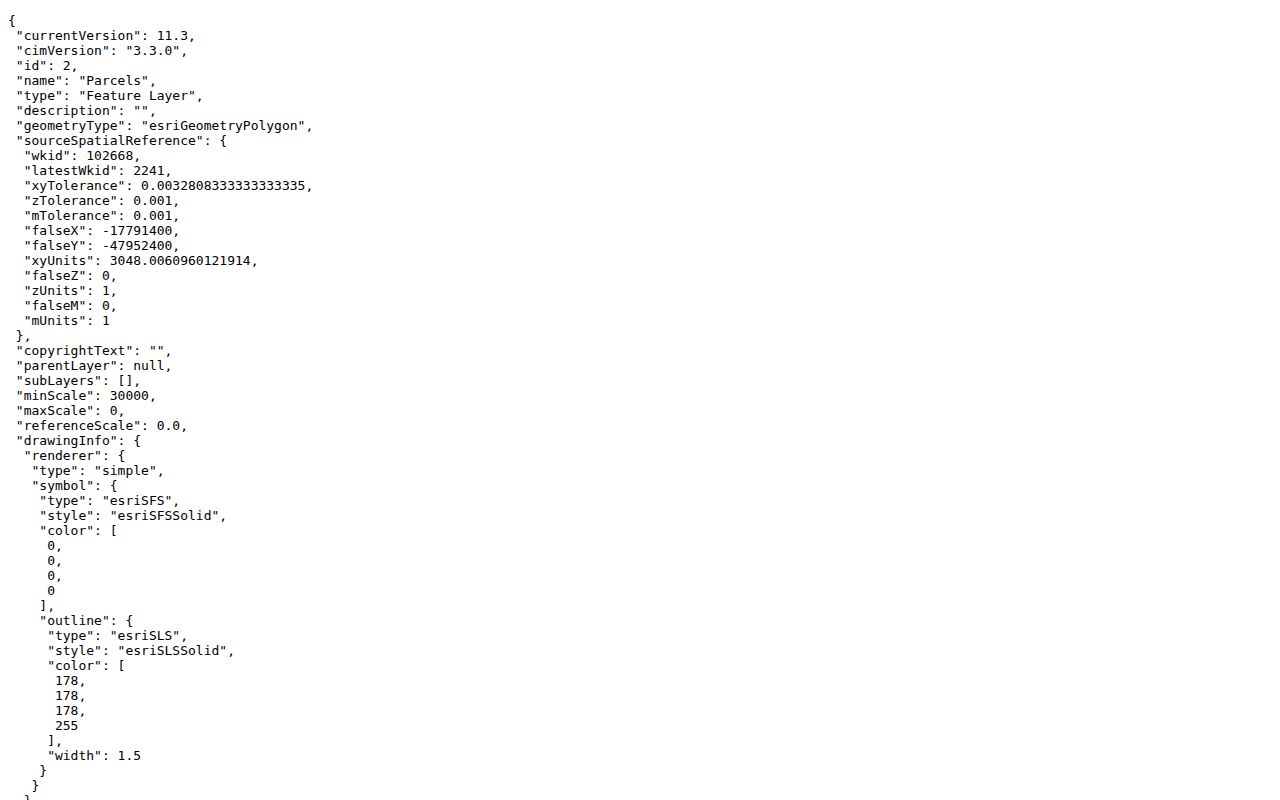
Trust the schema for field names even when the map popup shortens a display.
Bingham County Current Entity Owners
An LLC or corporation on the roll deserves a second step. Enter the exact displayed name in the Idaho Secretary of State Business Search. An entity result can surface a registered agent. It can also clarify a similar-name match. Trusts and estates call for restraint. The roll may show a fiduciary without naming beneficiaries, and an iCourt case may hold sealed material. The deed remains the true title-transfer source.
Keep a Bingham County Owner Evidence Note
A reproducible check notes the official URL. It also records the query date and time. Enter the exact search mode and the address or name. Note the result count. Copy the owner fields, mailing and situs lines, RP number, legal description, instrument lead, and relevant years.
Label results precisely. Call a parcel return an "assessor/GIS row." Call it a "recorded transfer" only after the deed is verified. Use "certified copy" only when the office certifies it. That vocabulary keeps an owner lead from turning into an unsupported title claim.
Note: Save "not found," "not accessible," and "not applicable" as distinct outcomes, because each means something different.
Bingham County Present Owner Checks
Both county routes run through the offices at 501 N Maple Street in Blackfoot. The Assessor keeps ownership, map, characteristic, exemption, and value data. The Recorder holds instruments accepted for recording. A quick call before a visit confirms which counter handles a narrow question and whether a copy request needs an instrument number.
Use every channel available. Begin online with parcel mapping. Fall back to phone, mail, or an in-person request when the row looks incomplete. The county's Records Request hub also names custodians for records outside those offices. A current-owner answer should not die just because the visual map will not load.
When asking for a deed, request the latest recorded transfer affecting the stated legal description rather than "everything for this address." That wording helps staff dodge false matches. It also keeps a present-owner check from ballooning into a full chain-of-title project.
Bingham County Current Owner Limits
Idaho's Public Records Act frames general requests. But exemptions and specialized rules can limit disclosure. Court records follow their own access regime. Protected address information may be withheld or replaced. The county GIS disclaimer states the data is supplied as-is. It may carry omissions plus positional and development-method errors.
Those limits demand honest labels. Cite the assessor/GIS row when that is all you checked. Cite the Recorder instrument only after reviewing it. An owner field is never a title opinion. And an unavailable personal address is not a gap to work around through unofficial sources.
The goal is a current, source-dated owner result another reader can repeat. Exact fields, URLs, and timestamps beat any bare claim. A bare claim says the person named online must be the legal owner today.
Use Bingham County Owner Mail Lawfully
The public mailing field exists for legitimate property correspondence. It may sit outside Idaho, and it proves no residence. Idaho's Address Confidentiality Program gives eligible people a substitute mailing address. Disclosing a physical one creates a safety risk. Respect substitute and protected addresses. The public row licenses no pursuit of a person. It says nothing about occupancy or title quality.
Lawful contact only. Use a Bingham County owner record for a genuine land matter, and never use it to harass, threaten, or harm anyone.
Date your conclusion. A current-owner answer ages fast, so tie it to the day you checked the Bingham County assessor or GIS row and to the newest Recorder instrument naming the grantee. Say so plainly. If no deed came through, note that confirmation is still pending. That keeps the result honest if the public roll shifts later.
Handle mailing data with care. The county schema carries several mail lines because an owner destination may involve an entity, a care-of party, or an address outside Bingham County. Property-address lines show where the parcel sits. Neither set proves who lives there. A photo link or improvement field does not change that limit.
Court and probate activity can complicate the picture. Idaho iCourt may flag a case, but the documents themselves follow court-access rules. An order is only a lead. The Recorder's accepted instrument is what entered the county land record. When an estate name still sits on the roll, never assume the heirs finished a transfer.
The Assessor notes that Idaho property is physically reappraised at least once every five years at current market value. That cycle is about value, not ownership. Keep the two timelines separate. A defensible current-owner result rests on the sources you actually checked, their dates, and the parcel's exact identifiers.
When the public map is down, call the Assessor. Give the situs, the parcel identifier if you have it, and the exact field you need. Phone, mail, a counter visit, and the public-record request route all keep a clean chain back to the county custodian. Avoid unofficial owner databases.
Stay narrow. One parcel, one dated roll entry, and one newest recorded transfer make the strongest answer. Drifting into prior owners or a full deed analysis invites trouble. Those are separate tasks with heavier evidence demands.